
Skincare 101: Retinol
WHEREVER YOU ARE: STAY EDUCATED!
Today in Skincare 101, we're taking a closer look at one of the most popular ingredients on the market...
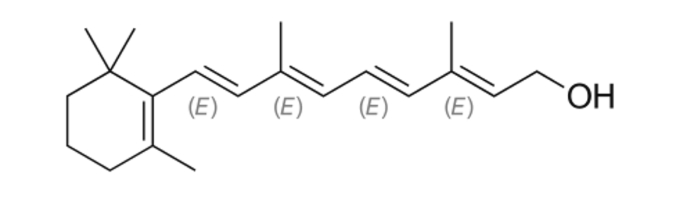
Retinol, also known as Vitamin A.
Retinol, retinyl, retinaldehyde, retinoic acid, retin-are-you-dizzy-yet?
Okay, so you’ve probably heard of retinoids—a catch-all term for the seemingly infinite number of vitamin A-based products stocking today’s cosmetic aisles. But do you know how to differentiate them all? Or how and when to use them? Better yet, do you even know what retinoids are?

Perhaps we should start with a little history first…
Retinoids are a class of chemical compounds derived from vitamin A (the skin’s most essential nutrient). And while they’ve been under the microscope since the early 20th century, it wasn’t until 1971 that this skincare powerhouse actually hit the market…
In the beginning, research on retinoids was mostly centered around the use of vitamin A for addressing specific skin conditions. Eventually, it was discovered that retinoic acid (also known as tretinoin—the most active form of vitamin A) could, in fact, be beneficial for treating acne.And it wasn’t long after tretinoin’s breakthrough as the first FDA-approved topical prescription for acne that patients and doctors started to notice even more of its many benefits…
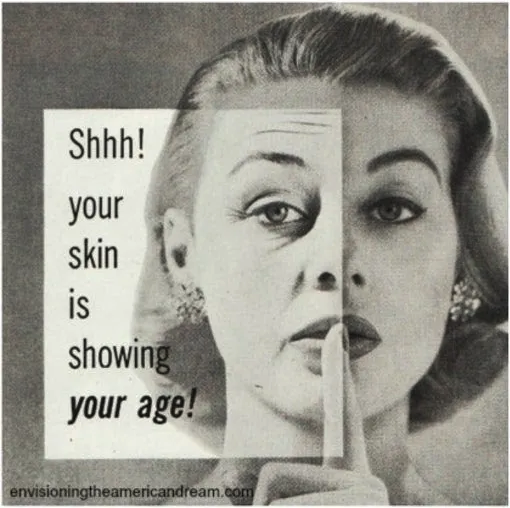
The appearance of sun damage? Improved… Younger/smoother-looking skin? Yep, that too…
To break it down a little more for you, we’ve turned to Renée Rouleau—a trusted skincare expert and esthetician who has dedicated over three decades to the art of skin perfection…
"Our bodies can’t make vitamins, so we must get them externally… When broken down, vitamin A and its metabolites are very beneficial. They can affect everything from vision to inflammation to the proliferation of cells."
So, what makes retinoids so special?
Well, for starters, it’s their ability to increase cellular turnover in the skin—meaning they grow faster, which, in turn, makes the skin a little bit thicker.
Furthermore, Rouleau explains, retinoids make the outermost cells shed (giving us that nice little "exfoliating" effect), which ultimately creates a more-compact stratum corneum (the skin’s outermost layer).
Retinoids also stimulate the skin to produce more glycosaminoglycans (or sugar-filled compounds), which helps not only to moisturize the skin, but also to support the production of collagen. And finally, retinoids are antioxidants, so they help in preventing all that unwanted oxidative stress, as well.
Simply put? Anti-aging at its finest.
But wait—there’s a catch (because yes, reaping powerful benefits such as these hardly ever comes without one)…When dealing with retinoids, it’s crucial that we not only understand the different types (and their intended purposes), but that we also take caution in how each one might affect our own unique skin type. In other words, proper use of this ingredient is fundamental!As Rouleau puts it: "Just remember that using retinoids is a marathon, not a sprint. They must be used consistently and carefully to achieve results and manage side effects."
Still interested?
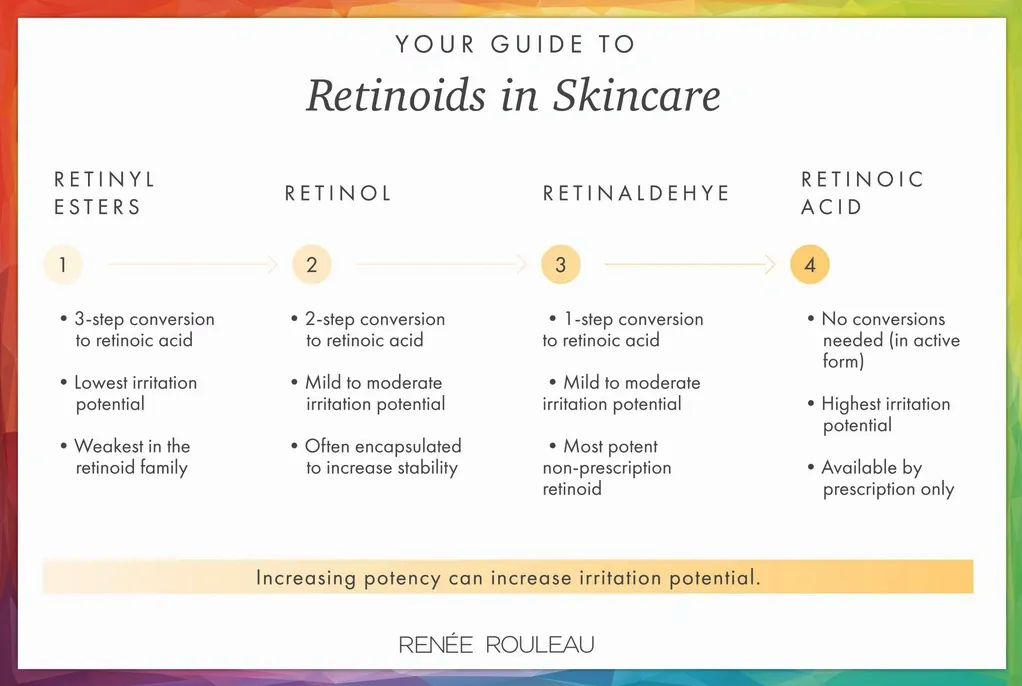
Check out Rouleau’s guide to retinoids (shown below), then take the Sanitas Skincare Quiz to find out which type of retinoid might be best for YOUR skin!
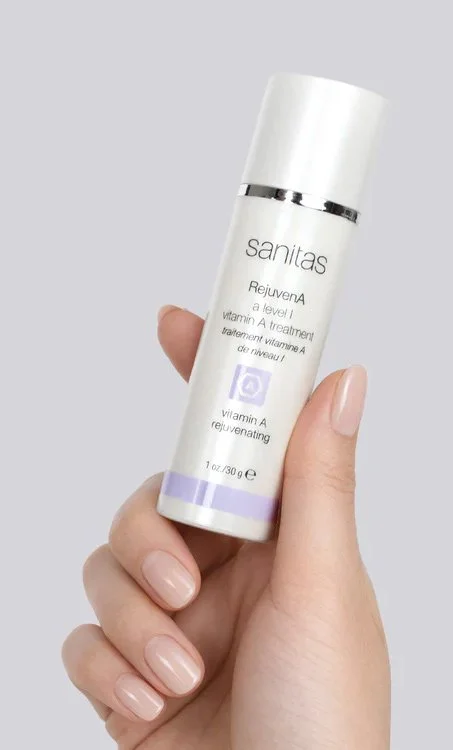
Sanitas Rejuvena
Or, if you’re just looking for a good place to start (without all the fuss), consider this:
Sanitas Rejuvena
A mild, level-one treatment containing only 0.1% of retinol—still age-defying, still skin-renewing, and still intended to restore collagen-depleted skin, improve texture and tone, reduce the appearance of age spots/fine lines/wrinkles, and of course increase skin luminosity!